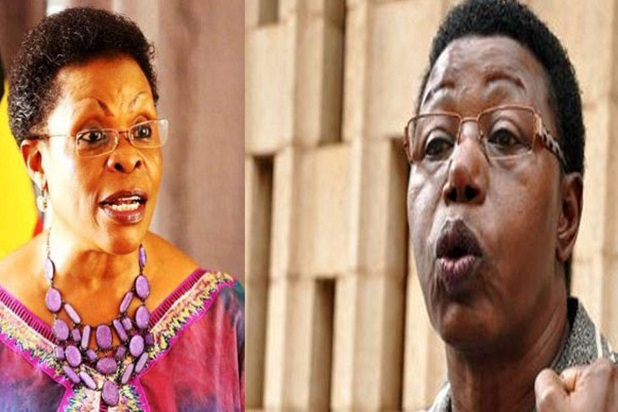


UTB CEO Ms Juliana Kagwa (in maroon top). Internet photo
UTB CEO Ms Juliana Kagwa (in maroon top). Internet photo
The Chief Executive Officer (CEO) of the Uganda Tourism Board (UTB), Juliana Kagwa, has laid out a bold and ambitious roadmap to transform the tourism sector, emphasizing that tourism is one of the country’s most strategic vehicles for economic growth, job creation, and poverty alleviation.
Speaking during the ongoing Annual Ambassadors’ Conference at Gulu University Library on Thursday, Kagwa stressed that the board is targeting 25-fold growth in tourism.
She argued that in the short term, the growth implies that Uganda must hit USD 3 billion by 2027, coinciding with the African Cup of Nations (AFCON), while also increasing the current number of annual visitors from 1.3 million to 3 million and doubling their average spend.
Kagwa cited countries such as Thailand, Singapore, and Malaysia as examples of rapid transformation through tourism within just a decade.
“Ten years ago, few people knew much about them. Today, they are global tourism powerhouses. We can do the same, but only if we work together,” she urged, noting that marketing alone is not enough. “Videos and PowerPoint slides won’t save us. We need real, on-ground change in how we deliver experiences.”
Kagwa highlighted that the three Key focus areas for Uganda’s Tourism Transformation is Product Development & Experience Enhancement, where UTB’s priority is to enhance and diversify tourism products.
“We must stop selling Uganda as just a wildlife destination. That day is gone. Yes, we are the primate capital of the world. Yes, we’re naming rhinos this month, moving from 6 in 2009 to 48 today. But tourists want more,” she stated.
She emphasized the need to offer holistic, 360-degree experiences: from cultural heritage like the Kasubi Tombs to the vibrant nightlife and local arts.
“If a tourist is spending $1,000 a week now, that needs to become $2,000. Currently, the average daily spend is about $160, and that must increase. Why should a tourist leave Uganda with $600 in their pocket? They should go back broke, but happy! They should have bought coffee, crafts, fashion, danced in Toro, and cruised on Lake Victoria.”
She also emphasized the development of the Blue Economy, leveraging Uganda’s 165 lakes and numerous rivers for water-based tourism and entertainment.
“We’re working with the Uganda Investment Authority on feasibility studies to attract investors for water sports, cruises, and more. Lake Victoria will be commercialized, sustainably.”
Kagwa, however, noted that there is a need for Public-Private Partnerships (PPPs), as the government alone cannot transform the tourism sector.
“We don’t have the resources or capacity alone. But Uganda has big players, MTN, Total, banks, telecoms, and hotels, who are ready to invest in corporate social responsibility and infrastructure.”
She revealed that MTN has developed a Tourism SIM card, and discussions are underway to ensure every tourist receives it at immigration for instant connectivity.
“This is more than just a sim card. It’s language access. It’s communication. It’s a safety net. Imagine if tourists from China or Turkey could navigate Uganda in their own language from the moment they arrive.”
The third major pillar is Digital Transformation, and UTB is working with NITA-U and UCC to connect remote regions, onboard service providers into a unified digital marketplace, and develop AI-powered visitor services.
Currently, the board is building an AI-enabled tourism platform with an AI guide named Franco, who recommends personalized activities based on their interests.
The CEO passionately urged all stakeholders, ambassadors, tour operators, government agencies, private companies, and development partners to think bigger and bolder.
“Tourists should leave Uganda overstimulated. They should see the culture, the kingdoms, the nightlife, the crafts, the lakes, the people, the wildlife, the history, and still feel they haven’t had enough.”
“Our job is to make sure they spend more, stay longer, and go back as ambassadors. Let’s not leave money on the table. Let’s create a tourism industry that transforms Uganda.”
-URN