
Kenya Gov't hopes to raise UGX 2.9Tr from sale of 65% of KPC
Kenya Gov’t hopes to raise UGX 2.9Tr from sale of 65% of KPC
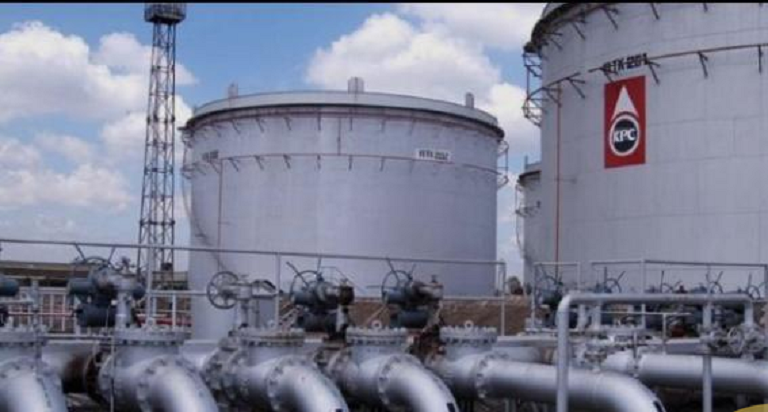
Ugandans, particularly oil marketing companies, have an opportunity to acquire shares in one of East Africa’s largest and most profitable energy infrastructure firms, Kenya Pipeline Company (KPC), currently wholly owned by the Government of Kenya.
Last week, KPC and the Ministry of Finance accounted for the company’s Initial Public Offer (IPO), with total assets valued between KES 123 billion and KES 163 billion (approximately USD 951.5 million to USD 1.26 billion).
The offer will see the government divest 65 per cent of its stake, with 20 per cent reserved for investors from East Africa outside Kenya, a category created to ensure that citizens of countries relying on KPC infrastructure can participate in ownership. It is Kenya’s first IPO since Safaricom went public in 2008.
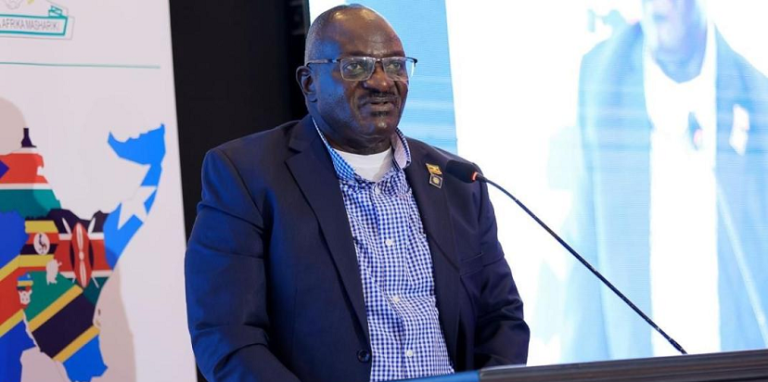
The Cabinet Secretary for the National Treasury, John Mbadi, told petroleum industry stakeholders in Uganda that the government intends to extend the offer to other regional markets after Uganda.
Mbadi said the IPO is expected to raise about KES 106.3 billion (roughly 2.9 trillion Shillings), assuming full subscription of the 11.8 billion shares on offer. The proceeds will support the government’s approved financing plan for the 2025/26 financial year, although he expressed confidence that the offer will be heavily oversubscribed.
According to Lead Transaction Advisor, Belgrad Kenne, each share has been priced at KES 9.00 (about 248 Shillings at current exchange rates), with a minimum purchase of 100 shares. This places the entry-level investment at roughly KES 900, or 24,800 Shillings.
Beyond the regional allocation, 20 per cent of the shares have been set aside for ordinary Kenyans, 20 per cent for foreign investors, and another 20 per cent for institutional investors. Oil marketing companies in the region will receive 15 per cent, while 5 per cent is reserved for KPC staff.
KPC Managing Director Joe Sang said the company has reached optimal valuation but requires fresh capital to modernise operations and respond to shifting market dynamics, including the global energy transition. Planned investments include diversification into Liquefied Petroleum Gas (LPG) and fibre-optic infrastructure.
Sang also invited Ugandan oil marketing companies to utilise the newly commissioned LPG truck-loading facility at Kenya Petroleum Refineries Limited, adding that consultations are underway with private partners to develop a common-user LPG facility.
Separately, at a consultative meeting with his Ugandan counterpart, Matia Kasaija, Ruth Nankabirwa and Energy Ministry Permanent Secretary Irene Bateebe, Mbadi said the engagement builds on earlier consultations and a shared understanding between the two governments regarding the IPO.
Nankabirwa noted that about 95 per cent of Uganda’s petroleum imports are transported through KPC infrastructure, underscoring the pipeline’s strategic importance to the country’s energy security.
Kasaija pledged support for Kenya’s reforms but called for assurances on continued access to the pipeline, recognition of Uganda’s longstanding contribution, and consideration of a favourable shareholding arrangement given the infrastructure’s strategic role.
Mbadi reassured Uganda that Kenya remains committed to safeguarding the country’s energy security and economic interests as the IPO progresses. “Kenya fully recognises Uganda’s strategic stake in the pipeline and its central role in regional energy security. The divestment is intended to strengthen KPC’s long-term sustainability, enhance operational efficiency, and enable the company to access long-term capital for expansion without increasing pressure on sovereign balance sheets,” he said.
On investment security, Mbadi emphasised that KPC is profitable, with new investors projected to earn returns of about 8 per cent, supported by ongoing product diversification.
Bateebe echoed the optimism, noting that investments in oil and gas infrastructure remain viable as long as petroleum continues to play a role in the global energy mix. “Demand for transportation fuel will remain strong until perhaps 2050, when it may begin to decline. Until then, continued investment in petroleum exploitation and infrastructure remains prudent,” she said.
The IPO is open until February 19, after which the company is expected to list on the Nairobi Securities Exchange on March 9, 2026. For now, Sang said there are no immediate plans for cross-listing, though the option could be considered in the future.
Ugandans may apply for shares under the designated IPO categories or purchase them once trading begins on the exchange.
-URN