
Kirunda Magoola, a Director at Coca-Cola Beverages Uganda
Kirunda Magoola, a Director at Coca-Cola Beverages Uganda
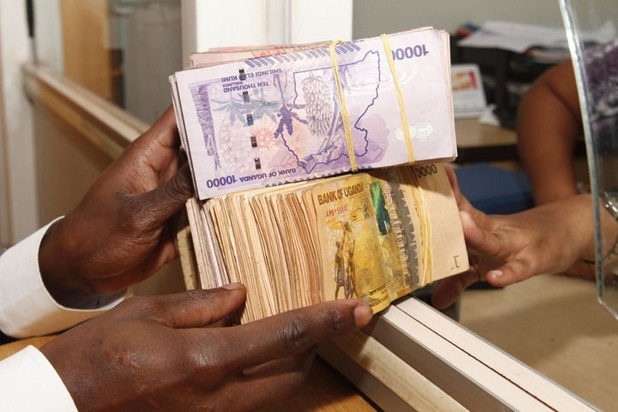
Uganda’s proposed US$1,500 per tonne levy on plastics is facing fierce opposition from manufacturers, who warn it will kill jobs, cripple recycling investment, fuel smuggling, and push basic goods beyond the reach of ordinary Ugandans when it takes effect in July 2026.
The tax, embedded in the Shs84.3 trillion national budget passed last week, adds Shs5.55 million to every tonne of plastic. Government says it will raise revenue and curb pollution.
But industry leaders call it “onerous and a disincentive” to the circular economy Uganda needs.
Coca-Cola: “Ill-Conceived, Poorly Timed, Counterproductive”
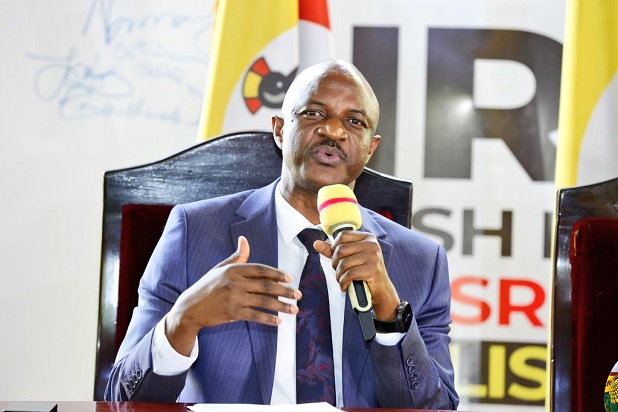
Kirunda Magoola, a Director at Coca-Cola Beverages Uganda, said the company “vehemently oppose the introduction of the new plastic tax, which is ill-conceived, poorly timed, and fundamentally counterproductive to its stated objectives.”
“Rather than solving the plastic waste challenge, it will sharply increase production costs for manufacturers, erode the competitiveness of local industry against imports, and ultimately pass higher prices onto already burdened consumers,” Magoola said.
He warned the tax “risks stifling private sector investment, disrupting supply chains, and undermining critical sectors such as beverages, packaging, and retail that depend on affordable plastics.”
“Worse still, it disincentivizes ongoing investments in recycling and circular economy initiatives by diverting resources away from collection and recovery efforts toward tax compliance,” he added.
“The likely outcome is reduced formal sector activity, growth in informal and unregulated alternatives, and a net decline — not increase — in tax revenues over time. In its current form, this measure threatens to damage industry, hurt consumers, weaken environmental progress, and shrink the very tax base it seeks to expand.”
UMA: “Jobs Will Be on the Line”
Uganda Manufacturers Association Executive Director Dr. Ezra Muhumuza Rubanda said the tax will render many players in the plastics sector redundant.
“Jobs will be on the line,” Dr. Rubanda said. “It’s obvious. The sector employers will be forced to downsize or even run out of market. And this has a trickledown effect. Plastics play a big role on the thriving construction sector. All this will be affected.”
He called for “an immediate national mitigation measure, either through halting the tax application.”
Mukwano: “We’re Recycling 100,000 Kgs a Day”
Tony Gadhoke, CEO of Mukwano Group, said the company has invested “serious money” in plastics recycling technology and now converts *over 100,000 kilograms of post-consumer waste plastic daily* into reusable raw material.
“We take PET bottles, do cold and hot chemical wash, and grind them into flakes for use by international and local industries,” Gadhoke said. “We also process old broken plastic products into household planters, special chairs, and other items.”
The material is used internally, sold locally, and the bulk exported – “earning the country serious forex,” he added. Mukwano says it has “empowered the unemployed, women and others” to collect waste plastics for its plant.
“Public Won’t Afford Bread”
Gadhoke warned that a $1,500 excise duty will make basic goods unaffordable. “The public will not be able to afford simple products like bread etc as the packaging costs will become too high,” he said.
URA’s own estimates show the levy adds Shs55.5 to a 500ml water bottle, Shs194 to a 1kg cooking oil bottle, and Shs444 to a 50kg sack of rice or flour.
A 20-litre jerrycan jumps to Shs4,440.
Dumping, Informal Sector Fears
Industry’s bigger fear is smuggling. “This excise is going to invite serious dumping of plastics across our porous borders,” Gadhoke said. “Casual importation from neighboring countries shall explode and become a nuisance.”
He argued the tax only hurts compliant firms: “Excise duties on plastics will… only increase competition for the formal sector as the informal players don’t keep records and therefore are never in the radar.”
Kenya banned single-use bags in 2017 but is mulling only a $500/tonne levy. Tanzania charges $200. Uganda’s $1,500 rate would be the region’s highest.
Industry’s Counter-Proposal: Incentivize Recycling, Enforce EPR
Instead of blanket taxation, manufacturers are pushing for incentives and regulation. Mukwano helped found *GASP – Green Action for Sustainable Production* – to foster Extended Producer Responsibility. Other founding members include Coca-Cola, Crown Beverages, Riham, and Uganda Breweries.
“Like-minded companies shall work towards offsetting their plastics requirements by ensuring post-consumer waste is collected and responsibly recycled,” Gadhoke said.
He proposed three measures:
- Tax holidays and incentives for firms investing in recycling plants and value addition for export.
- Thresholds– Penalize companies that don’t use a minimum 25% traceable post-consumer waste. Reward higher use.
- Mandatory EPR membership – All plastics dealers must join an EPR association like GASP and set up buying/reprocessing databases.
Government’s Case: Revenue and Pollution
The Ministry of Finance says the levy could raise *Shs1.02 trillion annually* if 2024’s 185,000 tonnes of imports hold – 2.3% of URA’s Shs44.18T target. It’s also meant to fund part of the Shs514B environment budget.
“Polluter pays,” a senior Treasury official said. “If plastic is cheap, it’s wasted.”
Uganda generates 600 tonnes of plastic waste daily. Only 40% is collected, NEMA data shows.
URA has not clarified if the levy applies to recycled flakes, finished goods, or only virgin resin. Mukwano’s model hinges on that detail. If recycled content is exempt, recyclers could benefit. If not, forex-earning exports get hit.
Other unknowns: exemptions for medical or agricultural plastics, verification of “25% traceable” content, and enforcement at porous borders.
The Tax Procedures Code Amendment Bill, due in Parliament next month, is expected to provide details. UMA and GASP members plan to petition for phased implementation and exemptions for recyclers.
Uganda’s $1,500 levy may raise revenue and cut virgin plastic use, but industry warns it risks killing formal recycling, shedding jobs, rewarding smugglers, and pricing the poor out of basic goods.
As Gadhoke put it: “Penalize those that don’t use minimum 25% traceable post-consumer waste. Don’t punish those already solving th