
Uganda, Kenya, and the East African Community (EAC) are exploring ways to finance the planned Multinational Expressway linking the two countries, following the completion of a feasibility study that began last year.
A Market Sounding Conference, a joint initiative with the African Development Bank (AfDB), is set to take place in Kampala later next week. The conference will explore financing options for the 193-kilometre expressway connecting the Kisumu–Busia road in Kenya to the Kakira–Malaba stretch in Uganda.
The project is expected to be designated in 2026, with completion planned for 2030, depending on the availability of funding. In 2024, the feasibility study was conducted by the German firm GOPA Infra GmbH and Kenya’s ITEC Limited at a contract price of USD 1,499,587, financed by the AfDB.
The expressway, built to Class II bitumen standards, aims to decongest the Northern Corridor, which has experienced rising traffic volumes, and support the agriculture, tourism, and mining sectors along the route. The project will also include improvements to the Malaba and Busia One Stop Border Posts (OSBPs) and the conversion of Lwakhakha border post into an OSBP.
The expressway forms part of broader upgrades along the Northern Corridor, a key transport route providing landlocked East African nations with faster access to Mombasa Port. It is also integrated into the Mombasa–Kigali expressway, which was prioritized at the EAC Heads of State Retreat on Infrastructure Development in February 2018 in Kampala.
The rehabilitation along the corridor is expected to strengthen road infrastructure within the EAC, fast-track regional integration, and spur cross-border trade. EAC Deputy Secretary General in charge of Infrastructure, Productive, Social, and Political Sectors, Aguer Ariik Malueth, said the expressway will improve transport services to five landlocked EAC member states: Uganda, Rwanda, Burundi, South Sudan, and the Democratic Republic of Congo.
“It is our expectation that Partner States are also upgrading other sections of the Northern Corridor—from Mombasa through Nairobi to Malaba, and from Kampala westwards towards Katuna and Mpondwe—to achieve a uniform high level of service along the entire corridor,” Malueth said.
He added that the project is expected to improve traffic flow and address poor road safety, noting that some sections of the Northern Corridor have high incidences of fatal crashes caused by driver behavior, poor road conditions, weather, and pedestrian-vehicle conflicts. Beyond trade, sectors expected to benefit include mining, forestry, manufacturing, livestock and fisheries, industrial products, and tourism.
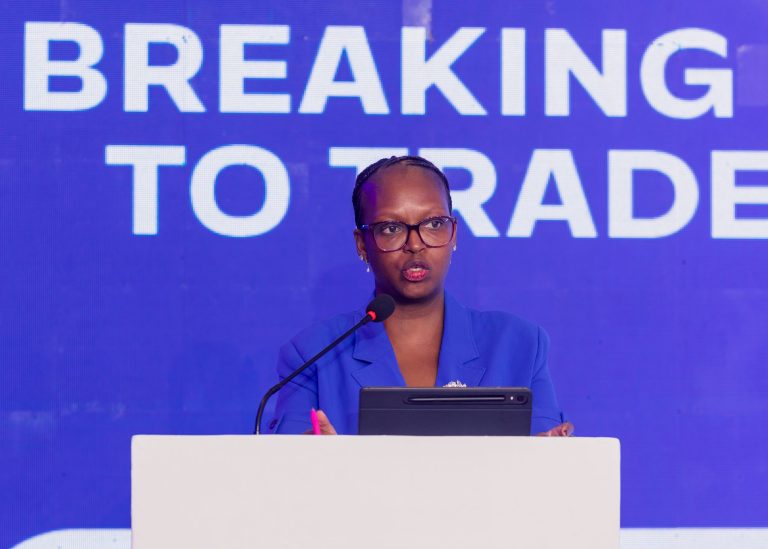
Upgraded border posts at Busia, Malaba, and Lwakhakha are also expected to ease the movement of goods and people across the region. “The Market Sounding Conference is a turning point in our efforts to establish a strategy for sustainable infrastructure development via private sector funding, thereby transforming trade, strengthening regional integration, and unlocking opportunities for millions of our citizens,” Malueth said. The conference will provide a platform for governments, financiers, development partners, and the private sector to engage on the Kenya–Uganda Multinational Expressway Project.
-URN
About the Author