
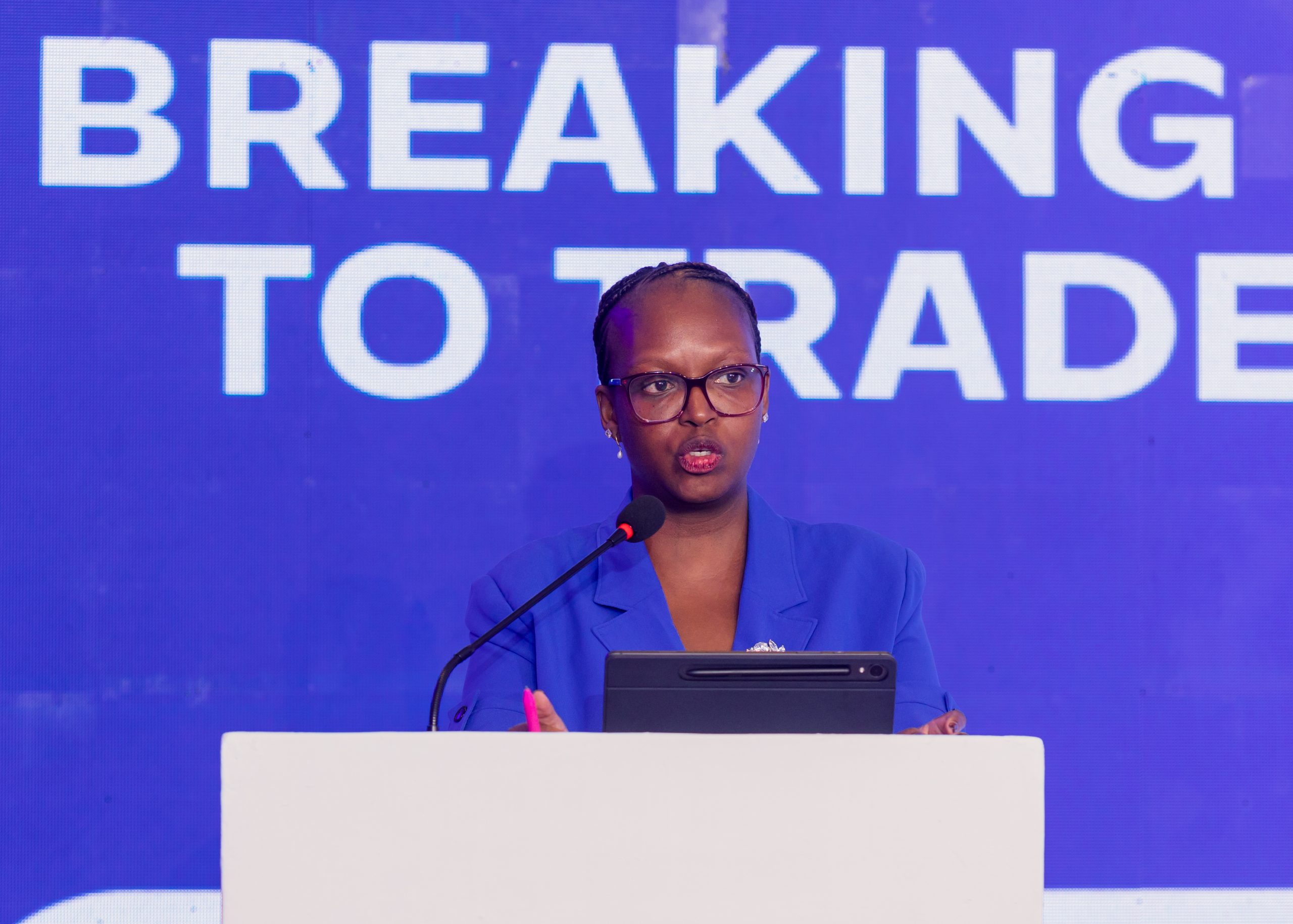
Annette Kiconco, the Chief Retail Banking Officer at dfcu Bank
Women entrepreneurs are becoming an increasingly influential force in Uganda’s economy. Across agriculture, trade, manufacturing and services, women are building enterprises that generate employment, sustain households and strengthen communities.
Yet their growth journeys are often shaped by structural constraints. Limited access to finance, smaller professional networks and business systems that do not always reflect the realities of emerging enterprises continue to slow the scale and pace of many promising businesses.
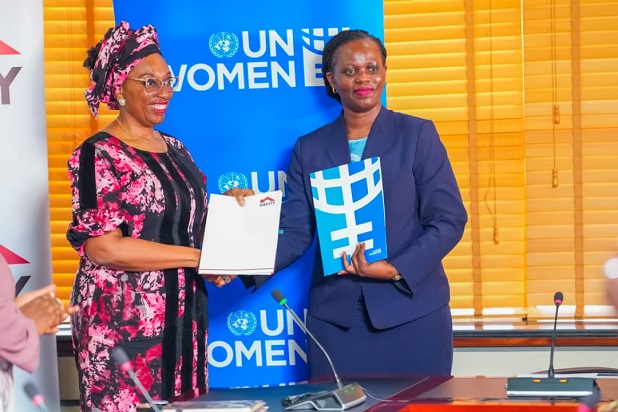
For dfcu, supporting women entrepreneurs is therefore not a short-term initiative but a long-term strategic commitment. Through its Women in Business program, strategic partnerships and enterprise development platforms, the bank continues to expand access to finance, knowledge and markets for women-led businesses across Uganda.
In this Women’s Month interview, the Chief Retail Banking Officer at dfcu Bank, Annette Kiconco, shares why financial institutions must take a deliberate approach to supporting women entrepreneurs and how dfcu is strengthening pathways for women in business.
Why must financial institutions intentionally support women entrepreneurs?
Women play a central role in Uganda’s enterprise landscape, particularly within the micro, small and medium business sector. These businesses drive employment, sustain families and contribute significantly to economic activity across the country.
However, many women entrepreneurs still operate within systems that were not originally designed around their realities. Lack of titled collateral, limited credit histories and restricted access to business networks can make it harder to secure the capital required for growth.
Financial institutions therefore have a responsibility to rethink how opportunity is structured within the financial system. Expanding access to finance for women entrepreneurs is not only a matter of inclusion, but also an investment in economic resilience.
At dfcu, we recognise that when women succeed in business, the impact extends far beyond the enterprise itself. Families prosper, communities strengthen and the broader economy becomes more dynamic and inclusive.
What role has dfcu played in supporting women entrepreneurs in Uganda?
Our Women in Business program, launched in 2007, was created to provide a structured and sustained platform for supporting women entrepreneurs.
Since its inception, the program has engaged more than 74,000 women entrepreneurs, while over UGX 95 billion has been extended in financing to women-led businesses to support enterprise growth and expansion.
Importantly, our approach goes beyond lending. Through mentorship, business training and networking opportunities, we provide women entrepreneurs with the knowledge, confidence and connections required to build resilient and competitive enterprises.
How have partnerships helped expand opportunities for women entrepreneurs?
Partnerships are critical in building strong entrepreneurial ecosystems.
Through the dfcu Rising Woman Initiative, implemented in partnership with the Daily Monitor, we have created a national platform that recognises and supports women entrepreneurs through mentorship, training and business visibility.
To date, over 60,000 women have benefited from training and enterprise development support, while more than UGX 120 million in seed capital has been awarded to entrepreneurs to help accelerate the growth of their businesses.
Beyond financing, these platforms also create opportunities for entrepreneurs to connect with markets, mentors and peers who can support their growth journey.
How is dfcu addressing the financing gap for women-led businesses?
Access to capital remains one of the most significant challenges facing women entrepreneurs.
At dfcu, we continue to develop financial solutions that reflect the realities of small and growing businesses. This includes designing financing structures that better support enterprise growth and expansion.
Under the Government’s GROW Project, dfcu served as an implementing financial institution, enabling women-owned businesses to access larger financing facilities supported by more flexible collateral structures.
In addition, the dfcu Foundation continues to support entrepreneurship across Uganda through training, mentorship and financial inclusion initiatives that strengthen the capacity of small businesses and agripreneurs.
What is dfcu’s vision for women entrepreneurs going forward?
Our ambition is to see more women-led businesses evolve from small enterprises into strong, competitive companies that contribute meaningfully to Uganda’s economic transformation.
Through initiatives delivered by dfcu and the dfcu Foundation, more than 59,000 beneficiaries have been reached through training and enterprise development programs, strengthening access to financial services and market opportunities.
At dfcu, empowering women entrepreneurs remains central to our purpose of Transforming Lives and Businesses in Uganda. When women-led enterprises thrive, they create employment, expand markets and strengthen communities across the country.